Fashion Photography Basics: A Comprehensive Guide for Beginners
Understanding Camera Settings
For any aspiring fashion photographer, grasping the fundamental camera settings is essential for producing high-quality images that resonate with the intended aesthetic. This segment will focus on the critical settings: aperture, shutter speed, and ISO, and how these elements work in harmony to achieve stunning fashion visuals.
Aperture, measured in f-stops, determines the amount of light that enters the camera through the lens. A lower f-stop number (e.g., f/1.8) indicates a wider aperture, which creates a shallow depth of field, ideal for isolating the subject against a blurred background. This effect is particularly effective in fashion photography, as it draws attention to clothing and accessories while diminishing distractions. Conversely, a higher f-stop number (e.g., f/16) allows for a greater depth of field, keeping more of the scene in focus, which can be useful in wider outdoor shots or when capturing runway events.
Shutter speed is another vital aspect to master, as it controls how long the camera’s sensor is exposed to light. Choosing the right shutter speed can freeze fast movements, which is crucial in dynamic fashion shoots, or create intentional motion blur to convey energy and style. A slower shutter speed can produce a captivating effect but requires a stable setup to avoid blurriness. For instance, a shutter speed of 1/250 seconds is generally sufficient to freeze most fashion modeling poses without losing detail.
ISO settings dictate the camera’s sensitivity to light. A higher ISO allows for shooting in lower light conditions but may introduce noise or graininess to the image. For fashion photography, maintaining a balanced ISO is crucial; typically, an ISO between 100 and 400 is ideal for outdoor shoots in natural light, while higher settings can be utilized in dimly lit environments like studios.
Understanding how these settings interact is vital for adapting to different lighting conditions and styles. Mastery over aperture, shutter speed, and ISO will equip photographers to capture the essence of fashion in all its beauty, providing an excellent foundation for artistic expression and creativity.
Lighting Techniques in Fashion Photography
Lighting plays a pivotal role in fashion photography, influencing not only the visual appeal of the garment but also the overall mood of the image. Understanding different lighting techniques is essential for photographers aiming to create striking fashion images. Two primary types of lighting utilized in this field are natural light and artificial light.
Natural light, often derived from sunlight, offers a soft, organic effect that can enhance the colors and textures of clothing. Photographers frequently favor the golden hour, a period shortly after sunrise or before sunset, for its warm and flattering light. However, working with natural light requires careful planning, as changes in weather or time of day can alter the quality of light significantly.
On the other hand, artificial lighting provides greater control and flexibility. Studio lights, such as strobes or continuous lights, allow photographers to manipulate light intensity and angle. Use of modifiers, like softboxes or umbrellas, can also soften the light, reducing harsh shadows and creating a more flattering appearance on models and clothing alike.
In addition to these primary lighting forms, reflectors and diffusers are valuable tools in fashion photography. Reflectors can bounce light onto the subject, filling in shadows and creating a more even exposure. Meanwhile, diffusers soften harsh lighting, allowing for a smoother, more ethereal look. This manipulation of light can be pivotal in highlighting the intricate details of clothing and accessories, thereby enhancing the viewer’s experience.
Ultimately, mastering these lighting techniques is vital for photographers aiming to elevate their fashion photography skills. Through experimentation and practice, one can learn to create mood and emphasize chosen elements, ensuring that the garments are depicted in their best light.
Composing the Perfect Shot
In the realm of fashion photography, composition plays a pivotal role in creating compelling images that captivate viewers. Understanding various compositional techniques can elevate one’s work, ensuring that each shot tells a story and engages the audience. One fundamental technique is the rule of thirds, which involves dividing the frame into a grid of nine equal parts. By positioning key elements along these lines or at their intersections, photographers can create a visually balanced image that draws the viewer’s eye to the subject.
Another vital compositional tool is the use of leading lines. These are natural lines within the environment that guide the viewer’s attention towards the subject. They can be structural elements such as roads, pathways, or even the model’s pose itself. Incorporating leading lines enhances depth and perspective, making a fashion photograph more dynamic and engaging.
Framing is also crucial, as it involves surrounding the subject with other elements in the scene to create a ‘frame within a frame.’ This not only isolates the model, making them stand out but also adds context to the image. For example, shooting a model through a doorway or using branches as a natural frame can add an interesting layer to the photograph.
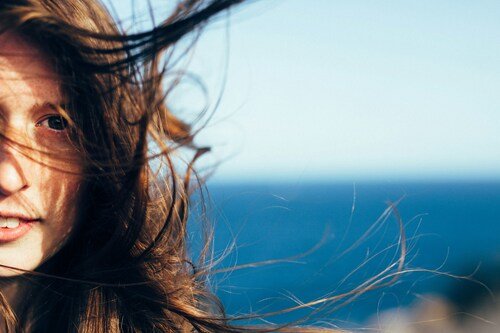
Furthermore, experimenting with negative space can help draw focus to the subject. By leaving empty spaces around the model, you can evoke feelings of solitude or elegance, depending on the styling and context. Lastly, always consider your perspective—varying your angle can completely transform the mood and narrative of an image.
In conclusion, mastering composition is essential for any aspiring fashion photographer. By applying techniques like the rule of thirds, leading lines, framing, and experimenting with negative space, beginners can significantly enhance their work, ensuring their images resonate with viewers and convey the desired message effectively.
Post-Processing Techniques for Fashion Photos
Post-processing is an integral component of fashion photography, as it greatly enhances the overall quality and aesthetics of the images. Two of the most widely used software options for post-processing are Adobe Lightroom and Adobe Photoshop. Each of these tools offers unique capabilities tailored to the needs of fashion photographers, enabling them to refine their images effectively.
Adobe Lightroom is particularly useful for managing large batches of photos and performing initial edits. Its color correction tools allow photographers to adjust the color temperature, exposure, and contrast to ensure that the images closely resemble the desired final look. With features like gradient filters and adjustment brushes, photographers can selectively enhance specific areas, giving extra attention to the clothing or model features without altering the entire image.
On the other hand, Adobe Photoshop excels in more intricate touch-ups and retouching. It enables photographers to remove blemishes, smooth out skin textures, and enhance clothing details with precision. Utilizing layers and masks, users can maintain the integrity of the fashion being portrayed while achieving a polished final image. Additionally, functions such as the clone stamp tool and healing brush facilitate seamless edits that are essential in high-end fashion photography.
However, it is vital to strike a balance during the post-processing stage. Over-editing can lead to unnatural results, undermining the authenticity of the fashion and the model. Therefore, photographers should aim to enhance the existing features and details rather than completely altering the original image. A thoughtful approach to post-processing ensures that the essence of the fashion is preserved while elevating the overall visual appeal.