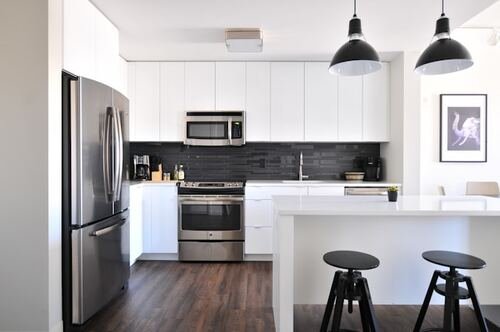
Modular Kitchen Design Ideas
Understanding Modular Kitchen Designs
Modular kitchens represent a modern approach to kitchen design and layout, distinctly differing from traditional kitchen setups. At the core of modular kitchen designs is the concept of prefabricated units, or modules, that can be arranged according to one’s preferences, space, and design aspirations. Unlike traditional kitchens, which often rely on fixed structures and custom-built cabinetry, modular kitchens offer a more flexible and customizable solution, appealing to a wider range of users.
The primary advantage of modular kitchen designs lies in their flexibility. Homeowners can choose from a variety of modules, which include cabinets, countertops, and utility areas, ensuring that each kitchen is tailored specifically to their needs. This adaptability allows for efficient use of space, making modular kitchens particularly suited for both small apartments and larger homes.
Functionality is another significant aspect of modular kitchens. The modular design allows for easy organization and accessibility of tools and ingredients, optimizing the cooking workflow. Various modules can be equipped with specialized compartments for utensils, pots, pans, and even appliances, which leads to a clean and clutter-free cooking environment.
Aesthetic appeal is also a hallmark of modular kitchen designs. With countless materials available—ranging from plywood to engineered wood, stainless steel, and glass—these kitchens can embody a range of styles from contemporary to rustic. The choice of materials not only enhances the visual appeal but also plays a crucial role in the durability and maintenance of the kitchen. High-quality materials ensure longevity and resistance to daily wear and tear, making modular kitchens a smart investment.
In essence, modular kitchens combine functionality, flexibility, and style, catering to the diverse needs of modern homeowners.
Popular Modular Kitchen Layouts
When it comes to designing a modular kitchen, selecting the right layout is pivotal to achieving an efficient and aesthetically pleasing space. There are several popular layouts, including L-shaped, U-shaped, and galley designs, each catering to different needs and preferences.
The L-shaped kitchen layout is favored for its versatility. It consists of two adjoining walls that create an “L” shape, allowing for an open flow and maximizing corner space. This layout promotes effective workflow, making it easier for multiple users to navigate around. A visual example of an L-shaped kitchen often features a central island, which not only serves as additional workspace but also acts as a gathering point.
In contrast, the U-shaped kitchen layout resembles a “U” form, utilizing three adjacent walls. This design is particularly beneficial for those who prioritize ample storage and workspace. The abundant counter space allows for easy movement between zones, enhancing efficiency in meal preparation. Illustrating this layout can often be seen in larger homes where the kitchen is a central hub, seamlessly connected to the dining area.
Lastly, the galley kitchen design, characterized by two parallel runs of cabinetry, is ideal for smaller spaces. This layout optimizes space utilization and creates a streamlined workflow, reducing the distance between the cooking, cleaning, and prepping areas. The galley style is often showcased in urban apartments or narrower homes where maximizing every square foot is essential.
Incorporating visual examples of each kitchen layout allows homeowners to visualize how these designs function in real settings. Ultimately, the choice of layout can significantly impact workflow, accessibility, and overall kitchen experience, making it essential to consider personal preferences and spatial constraints when planning a modular kitchen.
Innovative Storage Solutions in Modular Kitchens
In modern modular kitchen designs, innovative storage solutions are fundamental to maximizing space efficiency and enhancing organization. Traditional kitchens often lack adequate storage, leading to clutter and inefficiency. However, modular kitchens offer a range of features that can significantly improve usability and aesthetic appeal.
One of the most popular solutions is the incorporation of pull-out cabinets. These cabinets provide easy access to pots, pans, and pantry items without the need to dig through cluttered spaces. The ability to pull out shelves and drawers allows homeowners to utilize deep spaces effectively, keeping items organized and visibly accessible.
Corner units are another valuable addition to modular kitchens. Often, corner spaces can be underutilized in conventional designs. However, innovative corner cabinets are designed to optimize storage in these awkward spaces. Features like lazy Susans and pull-out racks can ensure that every inch of space in the kitchen is utilized efficiently.
Overhead storage options also deserve mention. Installing cabinets that reach upwards allows for the storage of less frequently used items, while still maintaining a sleek appearance. These cabinets can be designed with various types of doors, including bi-fold or lift-up options, which not only add distinctiveness to the design but also ensure that the items stored overhead are easy to reach.
Additionally, incorporating specialized storage solutions, such as spice racks, cutlery drawers, and utensil trays, can further enhance organization. By segmenting storage areas and designating specific spots for different types of kitchen items, homeowners can maintain a clutter-free environment. These thoughtful design choices not only improve functionality but also enhance the overall aesthetic of the kitchen.
Choosing the Right Materials and Finishes
When designing a modular kitchen, selecting the appropriate materials and finishes is critical for achieving a balance between aesthetics and functionality. The cabinetry, countertops, and hardware play significant roles in the overall atmosphere and durability of the kitchen. To ensure a successful design, various options must be examined meticulously.
The choice of cabinet materials is fundamental. Options such as plywood, particleboard, and solid wood offer different benefits. Plywood is often favored for its strength and resistance to moisture, making it suitable for kitchen environments. Solid wood, while aesthetically pleasing and durable, may require more maintenance in comparison. On the other hand, particleboard can be a cost-effective alternative, though it is essential to ensure that it is well-sealed to prevent water damage.
Countertops are another vital aspect of kitchen design. Popular materials like granite, quartz, and laminate each come with distinct features and maintenance requirements. Granite offers durability and a unique appearance, while quartz provides low-maintenance benefits without sacrificing elegance. Laminate is a practical choice for budget-conscious homeowners, featuring a vast array of colors and styles, yet it may not be as long-lasting as natural stones.
Moreover, hardware, though often overlooked, significantly influences the overall look of the kitchen. Selecting cabinet handles and knobs in finishes that complement both the cabinetry and countertops can enhance the design. Considerations such as brushed nickel, polished chrome, or matte black can create visual interest while maintaining a cohesive aesthetic.
In summary, careful selection of materials and finishes for cabinetry, countertops, and hardware is essential for crafting a modular kitchen that not only reflects personal style but also meets functional needs. By blending colors and textures thoughtfully, homeowners can achieve a harmonious environment tailored to their culinary experiences.